- Car & Truck Turn Signal Light Assemblies On Sale
- sku: 5956765268483504
- GENERAL 130552056
130552056 GENERAL MOTORS Benz Front Turn Signal 230 250
fits model: 230, 250. make: Mercedes. year: 1968–1969.
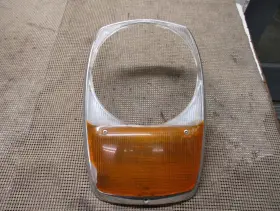
| Brand | GENERAL MOTORS |
|---|---|
| Manufacturer Part Number | 130552056 |
| Mounting Style | SCREWS |
| Items Included | BULBS |
| Vintage Part | YES |
| Placement On Vehicle | FRONT, LEFT, RIGHT |
| Type | TURN SIGNAL LENS AND BEZEL |
| Features | SAE-CERTIFIED |
| Lens Color | AMBER |
| Country/region Of Manufacture | UNITED STATES |
| Universal Fitment | NO |
| Finish | CHROME |
Review GENERAL MOTORS Mercedes Benz 220 Oem Front Turn Signal Assembly for MERCEDES 230 250 1968–1969
The Mercedes-Benz 1968-1969 220, 230, and 250 models represent a significant chapter in the automotive history of this esteemed German marque. These vehicles are known for their classic yet elegant design, exceptional build quality, and advanced engineering that set new standards during their time. In this context, a discussion of their front turn signals merits recognition for their unique features and functionality.
The Mercedes-Benz 1968-1969 220, 230, and 250 model front turn signals are built with the same level of precision and innovation as the rest of the car. These turn signals incorporate flush-mounted glass lenses, which create a seamless appearance on the vehicle's fenders. A chrome bezel surrounds the edges of the lenses, providing a subtle yet distinct contrast to the surrounding bodywork.
Each turn signal employs a traditional bulb technology to illuminate the amber-colored lenses whenever the driver indicates a turn. This bulb is easily accessible, offering users convenience during maintenance. The bulbs are of standard size and readily available at most auto parts stores, making replacement straightforward.
The turn signals on the Mercedes-Benz 1968-1969 220, 230, and 250 models feature a single stalk-mounted control on the steering column. Pressing the stalk once will activate the left turn signal, and pressing it again will turn on the right signal. The stalk also houses the directional signal canceler, which automatically turn off the turn signals a short time after the driver has completed a turn.
The lamp assembly housing for these turn signals is integrated into the front bumper, ensuring it does not protrude outward and disrupt the vehicle's aerodynamics. The design is not only functional but visually appealing as well. The integrated nature of the turn signals ensures a clean appearance and maintains the timeless elegance of these classic Mercedes-Benz models.
In summary, the Mercedes-Benz 1968-1969 220, 230, and 250 model front turn signals are a testament to Mercedes-Benz's commitment to refined design and remarkable engineering. The flush-mounted glass lenses, integrated housing within the front bumper, and ease of maintenance ensure these turn signals continue to function effectively and aesthetically enhance these iconic automobiles.
Pros of buying a 1968-1969 Mercedes-Benz 220, 230, or 250 with a front turn signal:1. Classic Appeal: These Mercedes-Benz models from the late 1960s represent classic automotive design and are desirable among collectors and enthusiasts, offering a unique driving experience.
2. Relatively Affordable: Compared to newer models or other luxury cars of the same era, these Mercedes-Benz models are relatively affordable. Regular maintenance and restoration costs may be easier to manage than a more expensive collectible.
3. Parts Availability: Spare parts for the Mercedes-Benz W111 models (220, 230, and 250) are readily available from various sources, both original and aftermarket, which can help keep the car on the road.
Cons of buying a 1968-1969 Mercedes-Benz 220, 230, or 250 with a front turn signal:1. Complexity and potential maintenance requirements: Mercedes-Benz was known for their engineering excellence, making these cars complex systems. Older Mercedes models may require extensive knowledge and experience to diagnose and repair problems. only.
2. Lack of modern safety features: These cars do not come with modern safety features, such as airbags, ABS brakes, and advanced driver assistance systems.
3. Fuel efficiency: 1968-1969 Mercedes-Benz models are not very fuel-efficient, which may be a concern for daily drivers.
Conclusion:Buying a 1968-1969 Mercedes-Benz 220, 230, or 250 with a front turn signal could be a rewarding but challenging experience for those who appreciate classic cars and the unique driving experience they offer. The relatively low cost, availability of parts, and nostalgia associated with these vehicles can be compelling reasons for considering ownership. However, it's essential to be aware of the potential complications, such as high maintenance requirements and lack of modern safety features.
If you are looking for a daily driver or a modern vehicle with advanced safety features, a Mercedes-Benz 220, 230, or 250 may not be the best choice. However, if you are an enthusiast who enjoys working on classic cars and is willing to invest time and resources for maintenance, then this car could be an excellent investment for your collection.
Recommendation:For individuals interested in owning a 1968-1969 Mercedes-Benz 220, 230, or 250 with a front turn signal, it's highly recommended to extensively research the vehicle's history, condition, and maintenance requirements before making a purchase. Additionally, it's crucial to be prepared for the ongoing costs associated with the ownership of a classic car, including regular maintenance and repairs. If possible, try to find a well-maintained example with a known history and a solid reputation from a trusted seller or enthusiast community.
Details:
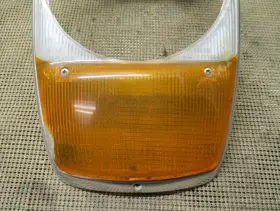
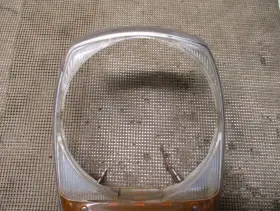
Condition is used, nice original piece, lens has a repair in it as pictured but the rest of looks fine, chrome with only light pitting no cracks or dents, will need to be cleaned, repaired and polished before install, part number 130552056. This is an original Mercedes benz turn signal lens and bezel off a 1968 can also be used on the 1968-69 Mercedes 220, 230, 250 280 cars.
specifications turnsignalnut:
- for models: 230, 250
- for makes: Mercedes
- for years: 1968–1969
- brand: General Motors
- mpn: 130552056
- mounting style: Screws
- items included: Bulbs
- vintage part: Yes
- placement on vehicle: Front, Left, Right
- type: Turn Signal Lens And Bezel
- features: Sae-certified
- lens color: Amber
- country/region of manufacture: United States
- universal fitment: No
- finish: Chrome
returns turnsignalnut:
- paid by: buyer
- policy: returns accepted
- time: 30 days
offer turnsignalnut:
- options: ship-to-home
- item condition:
- New other (see details)
- Used
- availability: in stock
- sold #: 26
- in stock #: 3
- started: november 27, 2024
general turnsignalnut:
- category: Auto Parts > Car Truck Accessories > Lighting Lamps > Turn Signal Assemblies
seller turnsignalnut:
- city: waterford, wisconsin
- # reviews: 13890
- rating: 99.5%
shipping turnsignalnut:
- class: standard
- carrier: usps, ups
- transit: 6-12 days
- service: usps ground advantage, ups ground
- type: calculated
payments turnsignalnut:
- other
- credit card: discover
- wallet: apple-pay
Similar Items:
- General Motors Gm Guide 5947908 1957 Pair Cadillac Park Light Lamp Lens Lenses 5947908 F5a-57 B0p280 However they are still sturdy and you can expect many years of use from them.: 1957 pair Cadillac park light lamp lens lenses #5947908 / guide F5A-57: these lenses are use and have wear...(January 2nd, 2024)
- General Motors 16530391 Driver Left Turn Signal Parking Light Amber Lens Housing Oem Express Savana In good working condition removed from a 2005 Chevy express van...(January 3rd, 2024)
- General Motors 5973408 1982-1987 Chevy El Camino Parking Light Turn Signal Lamp Passenger Side Right Applications are based upon various sources, although I try to make sure research is correct it can be flawed so please verify your applications. There are two available, the price is for each. See pictures for condition and wear as we rely heavily on photos...(January 7th, 2024)
- General Motors 5969225 1978 1982 Chevy Gmc Van G20 G30 Front Turn Signal Park Lamp Light Oem Read Vl5 The clear lens seems good and the tabs are. Original front turn signal, parking light. Vintage part has some blemishes and imperfections. Last photo is to show that there are different styles. This lens has a crack in the clear lens, please see close up photos. You are only buying one 1 lens...(January 8th, 2024)
- General Motors Chevrolet 5936034 1946 Chevy Right Parking Light Bezel Ring 46 Vg Original 5936034rh Chrome is nice and shinny. There is some small pitting on chrome. Black paint on chrome does need some touch up. 1946 Chevy right parking light bezel ring 46 VG original 5936034RH. It has not been abused. Bezel holds its original shape...(January 14th, 2024)
- General Motors 5966569 75 Firebird Fog Turn Signals Lens Parking Lights Park Signal 5966567 5966568 These turn signals are in pretty good shape, but have some small cracks. Thanks and happy buying. Buy more than one item and receive a package discount on shipping. I am constantly buying more cameras and parts so my inventory on used changes daily. This came with a 1975 trans am. Please view all ...(January 17th, 2024)
- General Motors 5972028 1981-1985 Chevrolet Chevy Camaro Side Marker Light Turn Signal Corner Lamp Park Shipping is to the lower 48 states only. On the lenses. I will answer all questions. It does show some wear from age and is dirty as you can see. Use the pictures to judge condition farther. All of these items may have scratches, nicks, could be dirty, etc. Here is one 1 light as shown. Use the part...(January 25th, 2024)
- General Motors Guide-12 1969 Chevrolet Camaro Front Parking Light Lens Oem Guide 12 Original, used front parking light lens removed from a 1969 Chevy Camry. See pictures for further details. All parts are oem unless specified. It is a factory installed part. All damage, other than minor wear and use, is notated separately. This is not a reproduction part. Each piece is inspected ...(January 28th, 2024)
- General Motors 5972035 1981-87 Cutlass Tail Lights Brake Lamps Hurst Turn Signal Driver Passenger Gm Og Make your 1981 -88 old's cutlass 2 door stand out with this super clean set. Has been refurbished and deep cleaned. Will come with new emblems chrome bezels are nice and shiny. 1981 -88 cutlass tail set. Please message if any questions...(January 28th, 2024)
- General Motors 5960557 1969-1973 Pontiac Firebird Trans-am Front Parking Light Bezels Oem I would classify them as fair condition, driver quality, parts. All damage, other than minor wear and use, is notated separately. Some minor wear and pitting in the chrome finish. Original, used front parking light bezels removed from a 1969 Pontiac fire bird. Each piece is inspected and cleaned. ...(January 28th, 2024)
- General Motors Chevrolet 5965816 1973 1974 Oem Nova Grille Mounted Amber Turn Signal Light Condition is used. Shipped with USPS first class. 1973 1974 oem Chevrolet nova grille mounted amber turn signal light 5965816...(February 13th, 2024)
